Category: Team development

  • Lean Principles Applied to the People Development System

    Lean Principles Applied to the People Development System

    A people development system has some unique characteristics, so applying lean, continuous improvement requires some thoughtful use of the lean principles. The first principle requires the stakeholders to think about who the system serves and what those customers would find valuable.

    Lean Principle 1 – Define value from the customers’ point of view.

    You may have noticed the plural possessive use in the subheading. That’s because there’s more than one customer to consider. In fact, there are four distinct customers that require something from the PDS:

    • Team members – current and future
    • Organization teams – the department that the applicant will join
    • The organization as a whole, and
    • The customers who buy your products and services.

    Team members

    The person thinking about joining the organization needs to see clearly the value in doing so.  There’s value in understanding what the company stands for, what opportunities exist, and exactly what the organization is looking for. Several functions of the PDS are instrumental in creating and sustaining these values.

    If they are offered and accept the job, there is value in connecting – feeling valued, knowing where to start, having someone to help get them on the path. There is value in growth opportunities – seeing the pathway for development, having a say in how the path is laid out.

    After they’ve started, there’s value in having their view heard and appreciated, having good communication, meaningful work, and the ability to contribute. These are just some of the things that would be valued by this PDS customer.

    There are many benefits of ensuring that this PDS customer can see the value the organization has to offer: clarity around expectations, opportunities, and potential; consistency in communication, planning, and development; and a system that will engage with them all the way through their development process.

    The teams 

    The person you’ve hired is going to join a team. These organizational teams are important customers of the PDS and have certain expectations.

    These customers value:

    • Qualified candidates.
    • People with the right knowledge, skills, and abilities.
    • Getting talented people when needed.

    When the team receives the new member, they want:

    • An onboarding experience that establishes foundational relationships with new team members.
    • A robust training program that matches the team’s needs and supports their mission.
    • Retention efforts that keep the team stable.
    • Performance management efforts that expand the capacity of each team member.
    • Reliable tools for PDS administration.
    • Reliable data to gage and improve the system.
    • Leadership development that also helps continuously improve the PDS.

    The benefits of a well-run PDS for these departments and teams includes better matching of talent to their needs; broad, ongoing support as the whole team grows and becomes resilient; and leaders that can help ensure that the PDS is working for all stakeholders. Is your current PDS laser focused on this customer’s needs?

    The Organization as a Whole

    Defining value for this customer of the PDS requires a holistic, long-term viewpoint.

    Collectively this customer values:

    • A stable, growing workforce that buys into the culture, vision, mission, and business objectives.
    • Data that informs decisions about people, in the near term and the future. 
    • Tools across the PDS that make the process efficient, cost effective, and easy to manage.
    • Leadership development that continuously improves the PDS.
    • Help in becoming a premier employer.

    An optimized PDS that offers this customer high levels of value in these areas affords the organization more precise control over this people focused system, improved ability to predict PDS performance, increased engagement, and greater capacity to make sound personnel decisions, among many other benefits. Are this customer’s value demands being met?

    “The” Customer

    The fourth customer of the PDS is directly impacted by all the values delivered to the first three customers. A PDS that develops and takes great care of their workers, ensures that teams are well supported, and provides the organization with better people-centered support, has greater focus and fewer distractions in pursuit of its business objectives. The external customers of the organization benefit greatly when this is the case.

    Applying this first lean principle should start with all the PDS stakeholders learning more about the different customers that the PDS serves and what they value. Then closely evaluating the current system. Does our PDS provide these values to each specific customer? Are these values clearly defined and presented? Define the really important questions to consider and then find answers to them.

    The second lean principle seeks to make the system visible so that gaps and opportunities are identified. That’s for next time.
  • Applying the 5 Lean Principles to the People Development System

    Applying the 5 Lean Principles to the People Development System

    Optimization is a really useful word. To optimize something is to make it the best it can be. When used in the Optimized People Development System, it is intended to convey the sense of working toward the best possible version of a system used to attract, train, and keep people. It means continuous improvement for the most important of organizational systems.

    There are processes all around us that could benefit from continuous improvement and the elimination of waste. This is certainly true for an organization’s internal workforce development processes. And it’s great when you can use reliable improvement techniques on established systems.

    Lean concepts emerged from manufacturing and over time have evolved into lean thinking and then further into a lean mindset with principles that can be applied to practically any process or system. Eliminate waste and make things better for people. Seems like a good idea in any industry.

    However, this system, the people development system, has some unique characteristics, making the application of lean, continuous improvement a bit more challenging. Still, I believe that the principles of lean can and should be applied to the PDS.

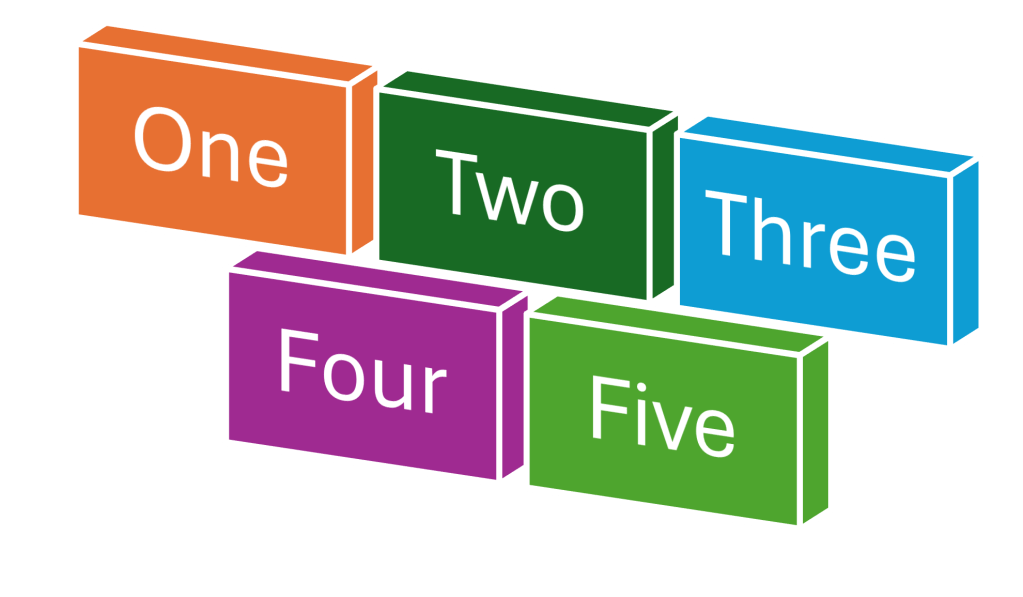
    The five principles of lean are:

    • Define value from the customer’s point of view
    • Map the value stream
    • Create flow
    • Establish pull, and
    • Strive for perfection.

    Over the next few weeks, we will explore how each of these principles can be applied to the people developing processes outlined in previous blog posts.

    Here’s a brief teaser for each. There are four customers who expect certain value from the PDS. Knowing what each one values will help stakeholders make important improvements to meet their needs.

    Inspired by the Value Stream Map, the Talent Stream Map was developed to help make the PDS visible. It helps the team see gaps and opportunities as well as their individual roles within the system.

    Flow in this sense is not just about people physically moving through the system, it is also about intellectual movement, emotional movement, cognitive movement. Flow implies progress and growth on several levels.

    For the PDS, the pull concept is enhanced when the organization or the organizational systems within it has a need to help people advance due to three key factors – growth, expansion, and success.

    Finally, pursuing perfection in the PDS is where the optimization theme comes in. Three levels of optimization can keep the emphasis on truly continuous improvement for this people centered system.

    Next up, defining the customer of the people development system.

  • Who’s in? – 4 Tips to Win a Competition You May Not Realize You’re in

    Who’s in? – 4 Tips to Win a Competition You May Not Realize You’re in

    An employer of choice makes better choices about who to bring on board because they have made good choices about their people development system and the culture they want to build.

    In this blog series, we’ve been exploring how all employers are competing to be an employer of choice, even if they don’t realize they are in the game. To improve their position in this race, the first tip is to learn about other competitor organizations they are up against. The second, is that the stakeholders of the organization’s people development system should realize that the potential employee they are after isn’t the only one making choices.

    In addition to hiring decisions, stakeholders of the company’s PDS make crucial choices about the way the system is administered and supported. Those decisions feed back into the employer of choice calculus.

    The third tip relates to the people who own the PDS.

    Let the whole team in on it.

    “That’s HR’s responsibility.” I often hear responses along these lines when I ask leaders about their internal workforce development efforts. It takes more than just the HR team to make the PDS work well.

    There are many stakeholders of an organization’s workforce development processes. These include frontline supervisors, line leads, department heads, and senior managers. Unfortunately, we sometimes forget to tell many of those stakeholders that we are aiming to be a preferred employer and that we need their help in doing it.

    They don’t know what they don’t know.

    Leaders at all levels influence the culture. A great example is their attitude toward training. If they are unwilling to give their team members time to attend training or if they complain about the process, their team will be negatively impacted. By extension, if they do not understand and appreciate the need for a learning culture, they will short circuit efforts to build such a culture.

    Stakeholders are important connectors across the five functional areas of the PDS – recruiting, onboarding, training, retention, and performance management. Do we let them know this? Do we train them to be good stewards of the PDS and the people that this system serves?

    Recruiting great potential talent is wasted when those new hires are passed on to team leaders who do not play their part well. Conversations that begin in the recruiting phase should continue through the onboarding and into the training and retention phase. The PDS should allow this communication to happen easily and consistently.

    If all stakeholders do not know the extent of their influence, and how to make that influence positive in nature, how can the company become an EoC?

    Help them see their part.

    Much of the leadership development that is offered to frontline and mid-level leaders is focused on the leader and their ability to engage people. Making good decisions, communicating well, and thinking strategically are all important learnings for leaders.

    It is just as important that all the leaders and stakeholders of the PDS see the system and understand their role in its performance. They also need the training and development to help them fulfill that part of their responsibilities.

    Building a healthy and vibrant company culture depends on the efforts of all the players. Get them involved in the competition for EoC by telling them who they are competing against and why winning (or at least moving up the rankings of employers) is so important to the company’s future and theirs.

    Once the stakeholders on board and collectively pushing to win the competition for EoC, the system must be able to sustain your new status. Which is the topic of our next post.

    Image by Gerd Altmann from Pixabay

  • The Flow and Pull of Human Inventory – A Lean Perspective

    The Flow and Pull of Human Inventory – A Lean Perspective

    It just sounds wrong to ask such a question. It feels insensitive, almost Orwellian in a way. Should people be considered inventory? Applying lean thinking to a system requires that we look at all the components, and inventory can certainly be a major factor. But, in this case, we’re not talking about a store of things, a list of items on shelves or in boxes. We’re talking about people.

    Inventory is one of the famous wastes in lean thinking. Usually, the goal is not to have too much or have it before it’s needed; this is because lean concepts originated from manufacturing. However, applying lean concepts to a people development system (PDS) can challenge the definition of inventory.

    Exactly Where are the People?

    I was talking to a colleague about helping organizations optimize their PDS by applying lean thinking. As we discussed how to analyze the traditional wastes of lean, my friend suggested that the stack of applications that an organization has for open job postings represents a type of inventory. That stack could be seen as an inventory of raw materials ready to be processed by the PDS. Potential, raw talent, waiting to be built up.

    Extending the analogy, perhaps these are other types of human inventories: 

    • Work in Progress – Those individuals involved in training and development.
    • Finished Goods – No one is ever fully finished learning, but these are reaching their peak in their role.
    • Reworks – those who recognize the need to change and are open to the idea of upskilling and retraining.
    • Obsolete Inventory – those people in the organization who refuse to change or whose roles are disappearing.

    There is also just the overall headcount. Donella Meadows, a leading contributor to systems thinking, often referred to stocks as the foundation of any system. She bolsters this assertion saying, “Stocks are the elements of the system that you can see, feel, count, and measure at any given time.” In the people development system, headcount is the stock, making it a type of inventory; one that can fluctuate by being acted upon by a system’s feedback loops, either a balancing loop or a reinforcing loop, or a combination of both. The PDS is responsible for maintaining the stock of people in all the organizational systems.

    Working Their Way Through the System

    Looking at people as inventory in some instances can be helpful. For example, two key lean principles are establishing flow and creating a pull system.

    Flow

    In this instance, flow represents people successfully moving through the system. It happens when the recruiting process is continually finding and developing acceptable/trainable talent at all key positions. It is created by constantly looking for valuable attributes and talents, even if there is no signal from internal customers. Then, creating the opportunity for those attributes and talents to “flow” into other parts of the organization; for the good of the individual and the organization.

    Flow is not just about people physically moving through the system though. It is also about intellectual movement, emotional movement, and cognitive movement. Flow implies progress and growth. The optimized PDS creates flow by ensuring that everyone is moving (upwardly, laterally) – progressing along their development path, career ladder, skill levels, etc.

    Pull

    Pull is demand. It is created in the organization when there’s a need for people to move up, take on new roles, or add their capabilities to another team. Pull is established when organizational systems have a need for people due to growth, expansion, and success. The Optimized PDS helps find the right types of human inventory, at the right place, in the right quantity.

    Pull is driven by more than just promotions. There’s also skill level advancement and growth in leadership abilities, cognitive training, personal goal attainment, knowledge acquisition, coaching ability, cross-training in other areas, concept understanding (such as lean, kata, systems thinking, etc.), and strategic thinking.

    Signals From the System

    Together, the lean concepts of flow and pull help PDS stakeholders identify where needs are greatest and the pulling forces are strongest. These signals get transmitted back through the PDS so that the demand is met, people are added, they get training, are moved, etc. They will have names and faces, of course. They won’t be known as Works in Progress, or Reworks, or Obsolete. They will, however, be seen in the system.

    There are places in the PDS where monitoring the levels of human inventory and their developmental progress can interject a sense of urgency to ensure that people are efficiently moving through the system and they are being served well along their journey. Just the idea of labeling people as inventory may be inflammatory or sound demeaning to some. If it is meant to value people only as so many interchangeable resources to be manipulated, then it would be offensive. However, observing the PDS through this lens can help us gain a more systems-oriented view and help us manage the organization’s most important inventory.

    Reference – D. H. Meadows, (2008). Thinking in Systems, A Primer.

    Image by Gerd Altmann from Pixabay

  • Is Your People Development System Invisible?

    Is Your People Development System Invisible?

    I learned to see in my twenties and I haven’t looked at things quite the same since. I’ve always had good vision, thank God, but it took me a while to understand the difference between seeing something versus simply looking at something. This deeper, more intentional way of seeing has been very valuable, especially when it comes to systems and the relationships supported within them. To improve a system, you first have to see it. And with the people development system, that takes some effort.

    Back then, with a manual SLR and dreams of being the next Ansel Adams, I spent hours reading about photography and experimenting with the systems that yielded unique images. Some of them actually turned out quite nicely. Most of them, not so much.    I remember one writer emphasizing the need to see things… really see things. Spend time absorbing details, appreciating them, and considering how the elements interacted. He used the example of looking at the lawn versus seeing the details of a blade of grass. It was an obvious point; obvious, that is, once the concept was pointed out to me.

    Well, of Course it is!

    An organization’s internal workforce development system is an open system. It flexes to operate as data flows, demand changes, and circumstances dictate. And it does this at various times, in multiple places, at different levels, involving many stakeholders. A previous post explores this idea in depth. It is a common system within most organizations. And that often causes it to be taken for granted.

    Of course, the functions of our people development systems are connected! And, of course, this critical system is connected to the other systems that make up the whole organization. That assumption, “Well, of course it is!”, can dismiss the need to purposefully study the system. To see the connections and explore the gaps and opportunities. Some important functions just seem to happen – people come to work, they move around on the org chart, some training goes on, conversations are happening. These activities go on as seemingly automatic reactions in the background.  

    Lack of Familiarity Breeds Contempt

    If something fits into the “Well, of course it is…” category, there can be a stubborn, embedded belief that it simply does not warrant deeper exploration. Expectations have been set and accepted without question. Because of this, some not-so-obvious options to improve the system can be missed, forcing it to continue to operate below its optimal levels. Most people in the organization know at least something about the PDS. They are familiar with many of its functions. They may know some of the various stakeholders. They can see the artifacts that speak about the system, and they most likely understand something of the complexities involved. Unfortunately, some people will develop negative opinions about the whole based on their knowledge of the parts. This could be avoided if the system were more visible and more information about the system made available.

    Bring it up, Talk it up, Build it up

    What is the current state of the PDS? A mapping exercise can help the team see how the system connects and how things flow through the system – things like data, communication, and of course, the people. Hang it on a wall for all to see. Use flip chart paper and sticky notes; the more paper, the better.

    Getting all stakeholders to appreciate the system, its complexities, and how they contribute to its functioning can help identify potential leverage points to help improve the system. Let all stakeholders speak into the mapping process, and they will begin to appreciate the dynamics of the PDS. What works and should stay? What doesn’t and should go?

    Once the current state map of the people development system is captured, use lean concepts to minimize waste. Look at the various tools used in the system, and evaluate their effectiveness. Consider the data captured from the system and how that data is used.

    The PDS is the main tool for engaging the whole team. How does it communicate to all stakeholders? Where does it promote the concepts of a learning organization? Does it celebrate learning? Does it say we value learning and development for everyone? It is difficult to improve something you can’t see…or that you don’t take the time to thoughtfully examine. An optimized people development system is one that is continually scrutinized and examined for improvement opportunities. Leaders peer intently into the details and ask questions. Like all continuous improvement efforts, it never truly ends. And it could help your team see this important system in a whole new light.

    Image by Oliver Kepka from Pixabay

  • What if Outsiders Saw Our People Development System?

    What if Outsiders Saw Our People Development System?

    If a group of strangers asked to visit your manufacturing facility to learn about your training and development efforts, what would they discover? How would you explain your organization’s approach to training and development? Would the collective attitude toward learning be evident as they walked around?  What would they learn from talking with trainees and trainers? Such a scenario could be exhilarating and validating. On the other hand, it could be challenging, possibly even embarrassing.

    Last month I was part of a group that visited six manufacturers, some large and some small, in Munich, Germany. Like so many before us, we wanted to learn about their much-vaunted dual training approach known as the Vocational Education and Training system. The companies welcomed us in, as did other system partners. They were gracious and eager to share.

    Switching Places

    The trip was co-sponsored by the American Council on Germany and by MAGNET. We were a collection of workforce development professionals mostly from a dozen Manufacturing Extension Partnership centers around the US. After the exploration, I wondered what would happen if the roles were reversed. What if it were my company and our people development system that a group of professionals wanted to see?

    Over our week-long exploration of these companies, we saw fully equipped, well-organized, and dedicated training areas with ongoing projects that young apprentices (some only 15 years old) had been working to complete. Conversations with several of these learners revealed a growing connection to the company and to the people investing in their futures. Would they see that level of investment if they came to my place?

    Seeing More

    We learned about requirements for trainers and how they are supported. We saw how the companies connected to the greater workforce development system. Leaders, from the C suite to the production teams were passionate about training the next generation. Would my visitors see such enthusiasm for developing people?

    Learning and development are valued at many different levels. In their view, this long-term endeavor connected individuals to teams and teams to industries. To our German hosts, these traditional educational efforts are important because, ultimately; they connect communities to the nation’s interests. Would such a level of appreciation for the overall impact of people development be evident in my facility?

    Walking around each factory, we experienced a bit of their cultures. In every instance, there were positive attitudes toward learning. In some cases, about half of the existing workforce had traveled the same type of career development path, which no doubt helps form bonds and provide encouragers for the apprentices. Clear development pathways were the norm. The level of commitment to learning was high and very consistent. Would my company culture send the same messages?

    Self-reflection

    These German companies let outsiders peek under the hood of their people development system. Undoubtedly, the whole German system drives the success of the VET process. However, inviting people in to see your operation is much more up close and personal. I don’t actually lead a manufacturing company, but I suspect it requires some serious self-reflection beforehand.

    Opening up your internal system for inspection and critique requires a certainty that the system is working well, that the tools are effective, and the performance is reliable. The confidence to throw open the cupboards would have to be based on clear successes and on knowing that the system is capable of serving future needs. It would take faith in your team as well. If visitors talked one on one with learners and trainers the strengths or weaknesses of the system could be exposed.

    Optimization of the PDS is the pursuit of answers to questions that force us to look closely at the whole system and its performance. Seeing it from the perspective of others is a good exercise. If it validates our beliefs and our actions, great. If sharing some aspects of our system makes us uncomfortable, these are the areas that need attention.

    What would other professionals see if they looked closely at our PDS? Maybe we should invite them in and find out. But, only after we’ve looked through the cupboard ourselves!

    Image by Tumisu from Pixabay 

  • What it Means to Optimize a People Development System

    What it Means to Optimize a People Development System

    In some instances optimization is a moving target. Continually improving a system that is influenced by several stakeholders and operates on many levels is challenging. Add in the fact that many system functions can occur at many different times – some overlapping, some sequentially, some unknown to most stakeholders – and you have an idea of how much the target can move. That is the nature of an organization’s people development system. Interestingly, these dynamics present some unique enhancement opportunities.

    The Obvious

    On one level, optimization of the PDS means striving to continuously improve the system’s functions by identifying efficiencies. For example, how people are logically and effectively moved through the system, how data is captured, how PDS tools are deployed, etc.

    There are also opportunities to engage all stakeholders through stronger communication and more robust connections. This might look like monitoring the types of messages being sent and received across the PDS, fostering relationships through mentoring, and creating strong visual communication pieces such as training matrices.

    This is the practical, operational side of the PDS. Other improvements at this level might involve upgrading tools like individualized onboarding schedules and development pathways.

    The Less Obvious

    Because the system is concerned with people, there is another level that is more intuitive and driven by emotion. On this level, optimization can mean things like strategically aligning the values of all PDS customers.

    The customers of the PDS are 1) the people being trained, 2) the organizational teams that those trained people will join, and 3) the organization itself. Each of these customers bring specific values and expectations, some of which are often unspoken. The PDS is responsible for facilitating the exchange of these ideals. This requires constant attention and constant affirmation that the value brought is appreciated.

    As the PDS continues to improve and become more effective, it allows each customer to consistently contribute value to the other customers and fulfill certain expectations of growth, performance, and of learning.

    Optimization on this level can also include creating and sustaining a very particular awareness. It needs to register with the individual at an emotional level that the organization wants them to grow and thrive. This perception feeds self-efficacy and helps create and strengthen bonds.

    This is more than overt communication. This type of awareness is ultimately fed by the culture, the level of enthusiasm that leaders exhibit about learning, the consistency of the expectations to learn and grow, and even the amount of money invested. These types of signals speak volumes about the organization’s level of commitment to developing people.

    At this level of the PDS, personal commitment and a willingness to engage are nurtured. Optimization requires first that leaders understand the nuances of this level of performance in the PDS and second that they maintain a commitment to constantly monitor it for improvement.

    Appreciating the Levels

    Due to multiple levels of complexity, it takes a very focused effort to see the complete PDS that operates within an organization. Seeing the obvious opportunities as well as those less obvious but still powerful movers requires that all stakeholders have a holistic understanding of the system, including those influential levels where bonds are created and emotions are engaged.

    Image by Gerd Altmann from Pixabay

  • What is the Purpose of Your People Development System?

    What is the Purpose of Your People Development System?

    Behavior is a great indicator of motivation and that dependable old adage, actions speak louder than words, stands true for systems as well. An optimized workforce development system that understands its reason for being will behave differently than a comparable system that simply aims at obviously significant goals.

    *Donella Meadows, a leader in systems thinking, taught that “A system’s function or purpose is not necessarily spoken, written, or expressed explicitly, except through the operation of the system.” Even if its purpose is made explicit, the behavior of the system may tell a different story.

    In most cases, vision and mission statements are an effort to express what the organization believes is its driving purpose. Behind these, each organizational system – business processes, production, procurement, quality, people development, etc. – has a supporting purpose.

    If the exact purpose of these subsystems is not explored and established, their ability to support the vision and mission can be weakened. Defining the purpose of the PDS helps determine the system’s exact role in establishing and sustaining the organizational culture. This clarity can elevate the system’s contributions and inject accountability across the team.

    Purpose is Aspirational

    What is the overarching purpose of the PDS; its reason for being? Is it to help each team member achieve their highest level of individual success? Is it to create an inclusive culture? A culture of learning? Does the purpose encompass the community?

    It will certainly vary by organization, but optimizing the purpose of the PDS will reflect the values of the organization and what they believe about their workforce.  

    Not to be Confused with Objectives

    Often used interchangeably, the purpose of the PDS is different from the objectives that it pursues.

    Objectives indicate what the system has to do to fulfill its purpose. It might be stated as something like: The objective of the PDS is to support all other organizational systems by finding, training, developing, and retaining the necessary talent for the overall success of the organization.

    This would then translate into the activities around attracting talent, successful onboarding, strong retention programs, effective performance management, and, of course, efficient training efforts. Beyond these, key objectives should include making the PDS visible to all stakeholders and continually promoting a healthy organizational culture.  

    Important, Now More Than Ever

    Aaron Hurst, author of The Purpose Economy, expressed the importance of a deeper understanding of the reasons that an organization exists saying, “The companies that are emerging as leaders in the new economy are truly redesigning every aspect of their business around purpose.” One of the most important aspects of business management is the way employees are developed. 

    Surely the PDS exists to do more than just keep enough people to meet production or service levels. Expressing the purpose of the PDS can help to establish and sustain a great culture. Perhaps even defining that culture. It can help to ensure that people reach their potential, thereby helping the organization reach its full potential, and providing a crucial competitive advantage for both.

    Having a clear understanding of the elements that make up a people development system is important. Constantly working to optimize the performance of that system is just as important. And, the ability to clearly articulate what motivates the system can be a subtle but powerful influence on the whole enterprise.  

    *Thinking in Systems: A Primer. Donella H. Meadows 2008. Edited by Diana Wright.

    Image by Anand KZ from Pixabay 

  • Optimized PDS Drivers

    Optimized PDS Drivers

    This is the system that gets things done. It is arguably the most important system within an organization; literally empowering all other organizational systems – production, procurement, quality, and business operations. It is the system that cultivates talent and creativity, supplies ideas and powers implementation. It puts faces and names to the organization’s culture by attracting, training, and retaining people. Practically every organization has this workforce development system in some form, operating at some level of performance, although, it is a very difficult system to see. Its elements function at multiple levels, with many different stakeholders, and at various times as the organization marches toward its vision. Because this system is so vital to the overall organization, it makes sense to continuously improve its capabilities. It makes sense for all stakeholders to optimize their people development system (PDS).

    Four Key Drivers

    An act, process, or methodology of making something (such as a design, system, or decision) as fully perfect, functional, or effective as possible – this is, according to Merriam-Webster.com, the definition of optimization. Continuous improvement is to pursue optimization relentlessly. For the PDS it means an intense, long-term effort to:

    • Optimize the purpose
      • Know the why behind the objectives that drive the PDS.
      • Establish higher standards and expectations.
    • Optimize processes
      • Make the complete system visible.
      • Understand and improve the connections between system elements.
      • Remove waste and inefficiency.
    • Optimize performance
      • Utilize system elements more effectively.
      • Use more and better data to make decisions.
      • Sustain the system.
    • Optimize people
      • Expanding the idea and concept of development across the system to include:
        • Professional growth
        • Personal progress
        • Facilitating relationships
        • Enhancing culture

    Three Key Tools

    Optimizing the PDS is the ongoing process of improving and aligning these key drivers so that all other organizational systems have the support needed to achieve business goals and objectives. There are three key tools that support this journey toward a more powerful and effective people development system. Systems thinking brings connections to light, illuminating system behaviors. Lean thinking helps to identify waste and keep the team focused on continuously pursuing perfection. And foundationally, the concepts supporting a learning organization help to sustain a more robust PDS and enhance employee engagement.  

    I look forward to exploring the different facets of optimization for the PDS in future posts. I would love to learn from your experiences too. How have you seen this optimization play out within your organization?

  • Building a Better Boat for Workforce Development Systems

    Building a Better Boat for Workforce Development Systems

    This isn’t necessarily the type of boat that Patrick Criteser was describing. He is the CEO of Tillamook County Creamery Association–a 113-year-old dairy co-op. In a Fortune.com article, Criteser highlights the innovative tenacity that drove the early founders of what would become the co-op to build a boat that could deliver their dairy products in a timely manner despite the harsh terrain and other obstacles. The real story, according to Criteser, was not the boat so much as the idea for the boat and that these farmers, “Allowed room for the kind of people who would suggest it.”

    What Type of Boat?

    Fast forward to today, and the connection of past to present that Criteser makes is the need for organizations to have a “better boat” – a culture that can work for and with many different kinds of people. More specifically, the article convincingly argues for a leader’s role in creating the environment for such a culture. He calls this a fluid culture, which, “Seeks to expand the potential of people and of the organization itself.” As opposed to a fixed culture which is, as the name suggests, rigid and limiting. Fluidity would allow new types of people to be added to the team. It would value participation and lend itself to idea generation and adventurous problem-solving. It would have hallmarks like openness and communication.

    As I pondered that idea of a fluid culture, one that, “recognizes that excellence comes from amplifying the good, not constraining the different”, the amplifying system that sustains this culture took center stage. I see this as a culture of learning, a culture of innovation that is supported by a robust people development system (PDS) that encourages growth and celebrates all who attain it.

    The Boat’s Systems

    Consider all of the system elements that are working together to find talented people for an organization. The elements that sell them on the idea of joining the enterprise and expending their energy and enthusiasm to generate great ideas in support of the organization. Think of the elements that are responsible for caring for these team members, helping them develop technical skills, and helping them gain new knowledge and additional capabilities that will meet the organization’s needs as well as their own personal and professional needs.

    The system would need to understand and align with the mission and goals of the organization. Such a system would have to communicate exceptionally well throughout the processes of recruiting, onboarding, training, retaining, and performance management. Strong leadership would be an absolute, and this workforce training system is responsible for ensuring that those leaders are developing and growing. To sustain such a culture of innovation, the system would have to thrive on relationship building and have access to data that would constantly keep leaders appraised of the system’s performance and health.

    Is a Good Boat Good Enough?

    All of this seems somewhat obvious, doesn’t it? After all, most organizations have processes in place for workforce development. They provide some type of workforce training. They work to retain their best team members. But, how good is the PDS boat…really? Criteser urges leaders to look more intently at their culture. Can it absorb new ideas, be adaptive, be flexible? Are they as leaders inviting change? Extending this a bit deeper, does the PDS support such a culture? How would it need to adapt and change in order to support a learning organization of this caliber?

    It would seem that only an optimized PDS could support a truly dynamic, fluid culture. A siloed workforce development approach can’t support a fluid culture. Neither could a system that is not people-centered. Building a “better boat” is a great metaphor for working to optimize the system that is responsible for finding people, bringing them into the organization, and cultivating relationships that makes them want to stay. A better boat that supports a robust development system that allows more room for people and their ideas, can help organizations navigate unrelenting change and chart new courses in the stormy waters of today’s marketplace.