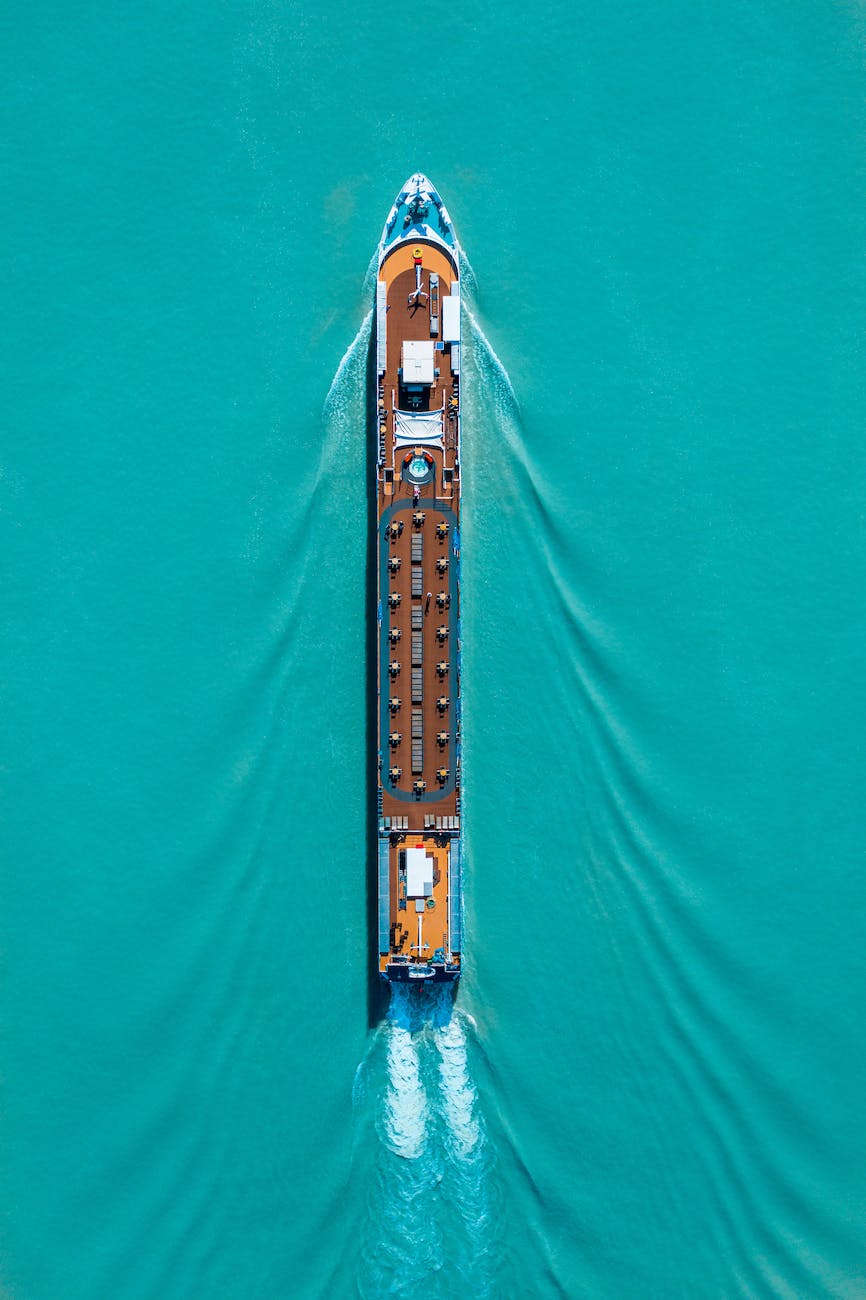
This isn’t necessarily the type of boat that Patrick Criteser was describing. He is the CEO of Tillamook County Creamery Association–a 113-year-old dairy co-op. In a Fortune.com article, Criteser highlights the innovative tenacity that drove the early founders of what would become the co-op to build a boat that could deliver their dairy products in a timely manner despite the harsh terrain and other obstacles. The real story, according to Criteser, was not the boat so much as the idea for the boat and that these farmers, “Allowed room for the kind of people who would suggest it.”
What Type of Boat?
Fast forward to today, and the connection of past to present that Criteser makes is the need for organizations to have a “better boat” – a culture that can work for and with many different kinds of people. More specifically, the article convincingly argues for a leader’s role in creating the environment for such a culture. He calls this a fluid culture, which, “Seeks to expand the potential of people and of the organization itself.” As opposed to a fixed culture which is, as the name suggests, rigid and limiting. Fluidity would allow new types of people to be added to the team. It would value participation and lend itself to idea generation and adventurous problem-solving. It would have hallmarks like openness and communication.
As I pondered that idea of a fluid culture, one that, “recognizes that excellence comes from amplifying the good, not constraining the different”, the amplifying system that sustains this culture took center stage. I see this as a culture of learning, a culture of innovation that is supported by a robust people development system (PDS) that encourages growth and celebrates all who attain it.
The Boat’s Systems
Consider all of the system elements that are working together to find talented people for an organization. The elements that sell them on the idea of joining the enterprise and expending their energy and enthusiasm to generate great ideas in support of the organization. Think of the elements that are responsible for caring for these team members, helping them develop technical skills, and helping them gain new knowledge and additional capabilities that will meet the organization’s needs as well as their own personal and professional needs.
The system would need to understand and align with the mission and goals of the organization. Such a system would have to communicate exceptionally well throughout the processes of recruiting, onboarding, training, retaining, and performance management. Strong leadership would be an absolute, and this workforce training system is responsible for ensuring that those leaders are developing and growing. To sustain such a culture of innovation, the system would have to thrive on relationship building and have access to data that would constantly keep leaders appraised of the system’s performance and health.
Is a Good Boat Good Enough?
All of this seems somewhat obvious, doesn’t it? After all, most organizations have processes in place for workforce development. They provide some type of workforce training. They work to retain their best team members. But, how good is the PDS boat…really? Criteser urges leaders to look more intently at their culture. Can it absorb new ideas, be adaptive, be flexible? Are they as leaders inviting change? Extending this a bit deeper, does the PDS support such a culture? How would it need to adapt and change in order to support a learning organization of this caliber?
It would seem that only an optimized PDS could support a truly dynamic, fluid culture. A siloed workforce development approach can’t support a fluid culture. Neither could a system that is not people-centered. Building a “better boat” is a great metaphor for working to optimize the system that is responsible for finding people, bringing them into the organization, and cultivating relationships that makes them want to stay. A better boat that supports a robust development system that allows more room for people and their ideas, can help organizations navigate unrelenting change and chart new courses in the stormy waters of today’s marketplace.
 The Optimized People Development System
Leave a comment