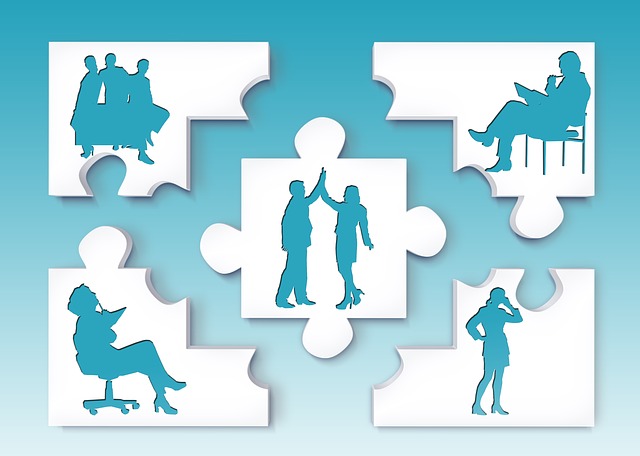
An employer of choice makes better choices about who to bring on board because they have made good choices about their people development system and the culture they want to build.
In this blog series, we’ve been exploring how all employers are competing to be an employer of choice, even if they don’t realize they are in the game. To improve their position in this race, the first tip is to learn about other competitor organizations they are up against. The second, is that the stakeholders of the organization’s people development system should realize that the potential employee they are after isn’t the only one making choices.
In addition to hiring decisions, stakeholders of the company’s PDS make crucial choices about the way the system is administered and supported. Those decisions feed back into the employer of choice calculus.
The third tip relates to the people who own the PDS.
Let the whole team in on it.
“That’s HR’s responsibility.” I often hear responses along these lines when I ask leaders about their internal workforce development efforts. It takes more than just the HR team to make the PDS work well.
There are many stakeholders of an organization’s workforce development processes. These include frontline supervisors, line leads, department heads, and senior managers. Unfortunately, we sometimes forget to tell many of those stakeholders that we are aiming to be a preferred employer and that we need their help in doing it.
They don’t know what they don’t know.
Leaders at all levels influence the culture. A great example is their attitude toward training. If they are unwilling to give their team members time to attend training or if they complain about the process, their team will be negatively impacted. By extension, if they do not understand and appreciate the need for a learning culture, they will short circuit efforts to build such a culture.
Stakeholders are important connectors across the five functional areas of the PDS – recruiting, onboarding, training, retention, and performance management. Do we let them know this? Do we train them to be good stewards of the PDS and the people that this system serves?
Recruiting great potential talent is wasted when those new hires are passed on to team leaders who do not play their part well. Conversations that begin in the recruiting phase should continue through the onboarding and into the training and retention phase. The PDS should allow this communication to happen easily and consistently.
If all stakeholders do not know the extent of their influence, and how to make that influence positive in nature, how can the company become an EoC?
Help them see their part.
Much of the leadership development that is offered to frontline and mid-level leaders is focused on the leader and their ability to engage people. Making good decisions, communicating well, and thinking strategically are all important learnings for leaders.
It is just as important that all the leaders and stakeholders of the PDS see the system and understand their role in its performance. They also need the training and development to help them fulfill that part of their responsibilities.
Building a healthy and vibrant company culture depends on the efforts of all the players. Get them involved in the competition for EoC by telling them who they are competing against and why winning (or at least moving up the rankings of employers) is so important to the company’s future and theirs.
Once the stakeholders on board and collectively pushing to win the competition for EoC, the system must be able to sustain your new status. Which is the topic of our next post.
Image by Gerd Altmann from Pixabay
 The Optimized People Development System
Leave a comment